Introduction
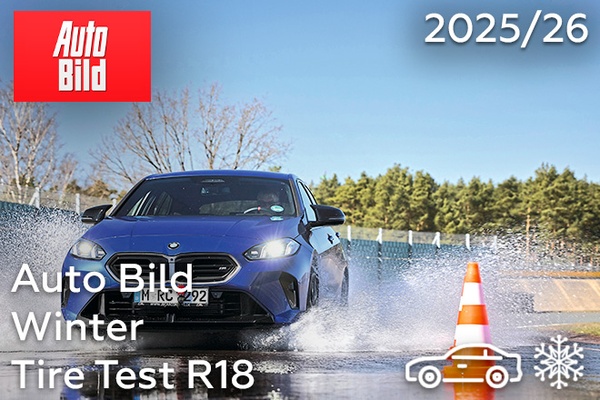
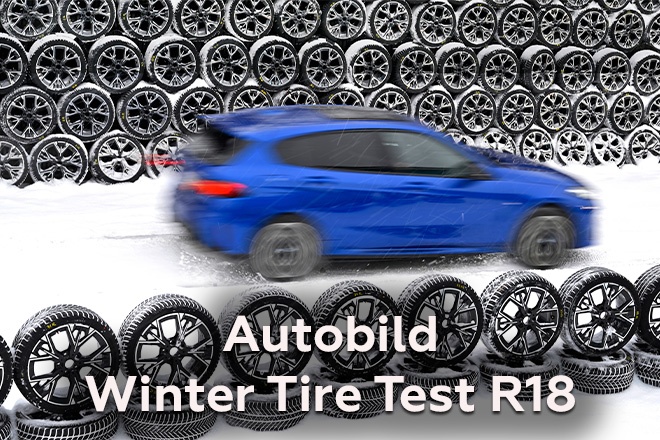
For the 2025–2026 winter season, the team at Auto Bild put a selection of 225/40 R18 tires through their paces-a size perfect for compact sports cars packing around 300 horsepower, like the Audi S3, Mercedes-AMG A 35, or Hyundai i30 N.
«The market has become complex and unmanageable due to an excess of new manufacturers and products," shared Dirk Möller, a tire expert and author for Auto Bild. «But when we looked at the exemplary and good products, they turned out to be the usual suspects and their secondary brands. It goes to show that a balanced winter tire requires tremendous effort and experience to develop.»
Möller also pointed out a key evolution in tire technology. While previous generations of winter rubber «often delivered excellent results only on snow," the latest tread patterns «impress with a short braking distance in the rain and stable handling even on dry roads." Consider that a subtle hint for anyone who’s been driving on the same set for years, wondering if there’s any real reason to upgrade.
Methodology: How Auto Bild Tested 20 Winter Tires in Arctic Sweden
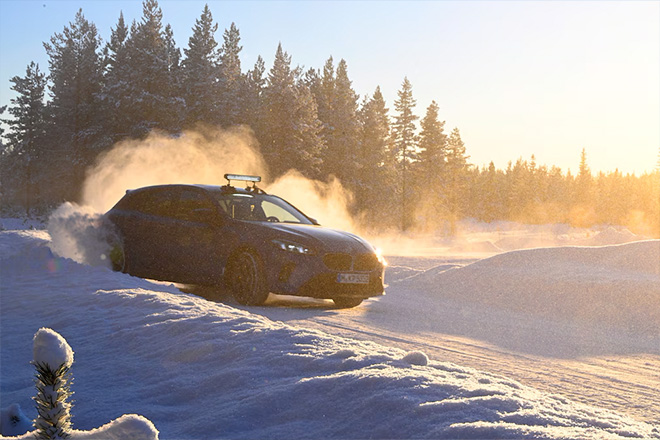
The cold-weather testing took place in Arvidsjaur, Sweden, providing conditions as close to a real winter as you can get. The warmer weather trials were held at the Contidrom test track in Germany, one of Europe’s most modern proving grounds. The test car was a 300-horsepower, all-wheel-drive BMW M135i. The Auto Bild editorial team believes that cars like these «benefit especially from using safe, precise, and high-performance winter tires.»
As is tradition, the journalists tested a summer tire alongside the winter models. Furthermore, a budget winter model was included in the main program, even though it effectively ended its competition during the preliminary stage-failing dramatically in braking tests on both snow and wet asphalt. It was given a second chance, but to spoil the ending, it didn’t manage to redeem itself.
List of models tested:
- Dunlop / Winter
- Goodyear / UltraGrip Performance 3
- Hankook / Winter i*cept evo3 W330
- Uniroyal / WinterExpert
- Barum / Polaris 6
- Semperit / Speed-Grip 5
- BFGoodrich / g-Force Winter 2
- Vredestein / Wintrac Pro+
- Kleber / Krisalp HP3
- Ceat / Winter Drive Sport
- Bridgestone / Blizzak 6
- Firestone / Winterhawk 4
- Pirelli / Cinturato Winter 2
- Fulda / Kristall Control HP2
- Continental / WinterContact TS 870 P
- Linglong / Sport Master Winter
- Michelin / Pilot Alpin 5
- Falken / Eurowinter HS02 Pro
- Kumho / WinterCraft WP52
Snow Performance: Traction and Braking on Ice & Snow
The tests on packed snow delivered the most predictable-and most dramatic-results. The difference between a dedicated winter tire and a summer tire isn’t just a gap; it’s a chasm. The traction force of the summer tire was simply abysmal: 248 N compared to an average of 2,481 N for the winter tires. If you really, really tried, you could even get the car moving on summer rubber, but braking was a different, terrifying story.
To stop the car from a modest 50 km/h, the summer tread needed a whopping 51.1 meters. The average stopping distance for the winter tires was less than half of that, at just 28.3 meters. In this crucial winter discipline, the Kleber Krisalp HP 3 and the BFGoodrich g-Force Winter 2 emerged as the top performers.
Snow Handling
- BFGoodrich
- Michelin
- Hankook
- Kumho
- Pirelli
- Kleber
- Dunlop
- Bridgestone
- Goodyear
- Continental
- Firestone
- Ceat
- Barum
- Fulda
- Uniroyal
- Vredestein
- Linglong
- Semperit
- Budget
- Falken
- Toyo
- Summer
Info! Average speed, km/h.
Snow Braking
- Kleber
- BFGoodrich
- Dunlop
- Michelin
- Continental
- Bridgestone
- Fulda
- Hankook
- Firestone
- Ceat
- Barum
- Kumho
- Goodyear
- Uniroyal
- Budget
- Vredestein
- Pirelli
- Linglong
- Semperit
- Falken
- Toyo
- Summer
Info! Braking distance from 50 km/h, m.
Wet Performance: Grip and Aquaplaning Resistance
When the action moved to wet asphalt, the tables turned. Relocating to its natural habitat, the summer tire reminded everyone of its purpose, landing in the top three in five wet disciplines. And in the most critical test of all-braking from 100 km/h to a full stop-it dominated, beating the winter tires by distances ranging from 3.1 to a staggering 22.7 meters.
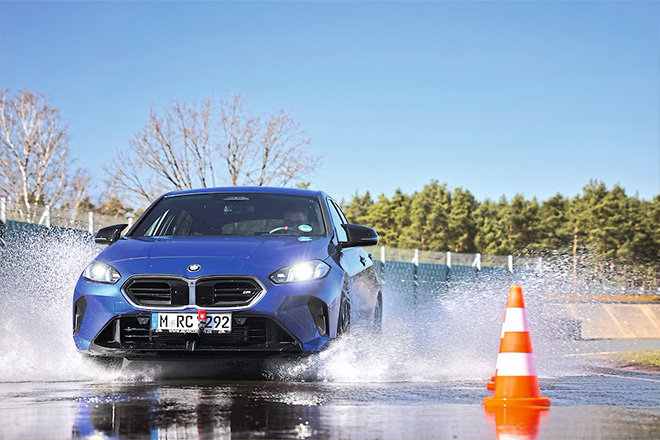
To put that in perspective using the length of the test car, a BMW M135i (4319 mm), that’s an advantage of 0.7 to over 5 car lengths. This serves as a powerful reminder that winter tires, while vastly improved, are a compromise for when temperatures drop. The sole leader in this part of the program was the Goodyear UltraGrip Performance 3, proving its mettle where others faltered.
Wet Handling
- Pirelli
- Goodyear
- Summer
- Michelin
- Kumho
- Toyo
- Vredestein
- Semperit
- Hankook
- Falken
- Firestone
- Bridgestone
- Uniroyal
- Kleber
- Continental
- Barum
- Dunlop
- BFGoodrich
- Linglong
- Fulda
- Ceat
- Budget
Info! Average speed, km/h.
Wet Braking
- Summer
- Goodyear
- Michelin
- Dunlop
- Toyo
- Kumho
- Uniroyal
- Pirelli
- Firestone
- Semperit
- Bridgestone
- Barum
- Continental
- Hankook
- Linglong
- Falken
- BFGoodrich
- Vredestein
- Kleber
- Ceat
- Fulda
- Budget
Info! Braking distance from 100 km/h, m.
Dry Performance: Handling and Stability on Asphalt
On dry pavement, the summer tire’s victory in both the race and braking tests was no revelation. What was more interesting was how the test debunked an old, persistent myth. Conventional wisdom says that winter treads, being slashed with sipes, are inevitably noisier than their summer counterparts. As it turns out, at a steady 80 km/h, a couple of the winter models were actually quieter than the summer tire.
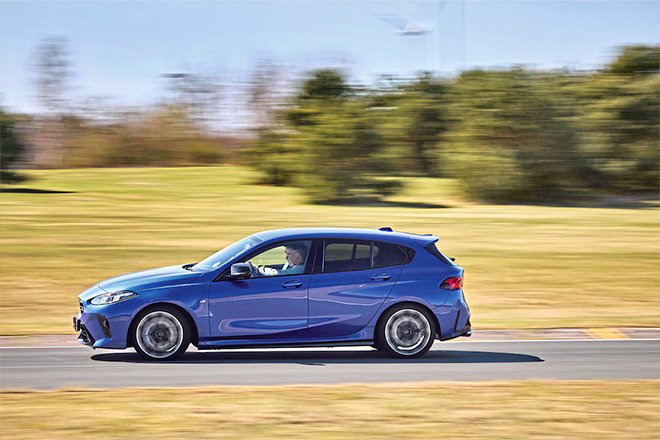
The second part of that same myth concerns fuel efficiency, suggesting that all those sipes must make the wheel harder to rotate. But once again, practice shattered the theory, showing that modern winter tires are engineered to be far more refined and efficient than their reputation suggests.
Dry Handling
- Summer
- Bridgestone
- Michelin
- Continental
- Falken
- Semperit
- Uniroyal
- Linglong
- Barum
- Hankook
- Goodyear
- Toyo
- Ceat
- Kumho
- Vredestein
- Fulda
- Dunlop
- BFGoodrich
- Pirelli
- Kleber
- Firestone
- Budget
Info! Average speed, km/h.
Dry Braking
- Summer
- Michelin
- Toyo
- Ceat
- Continental
- Pirelli
- Linglong
- Hankook
- Kumho
- Falken
- Bridgestone
- Dunlop
- BFGoodrich
- Goodyear
- Uniroyal
- Semperit
- Barum
- Budget
- Vredestein
- Fulda
- Firestone
- Kleber
Info! Braking distance from 100 km/h, m.
The Final Verdict: What the Data Really Tells Us
After a comprehensive test of winter tires in size 225/40 R18, the Auto Bild team has distilled the results into key takeaways. The elite performers, like the all-around master Michelin Pilot Alpin 5 and the wet-weather expert Goodyear UltraGrip Performance 3, justify their premium prices with top-tier safety and refinement. For drivers seeking outstanding value, the Kumho WinterCraft WP52+ and Dunlop Winter offer impressive performance on snow and wet roads without the top-shelf cost.
The test also revealed capable specialists. The Bridgestone Blizzak 6 excels on dry roads and offers a long treadlife, while the Kleber Krisalp HP3 provides unmatched traction and braking on snow. In contrast, budget models consistently showed longer braking distances and less overall control. The final conclusion is clear: for a high-performance sports car, investing in a proven winter tire is not a luxury-it’s a essential for safety, providing the confidence and shorter stopping distances that are critical in winter conditions.
Results and Rankings: The Winners and Losers
1st place: Michelin / Pilot Alpin 5
 Quick Take
Michelin Pilot Alpin 5

The Michelin Pilot Alpin 5 takes first place with an outstanding overall score of 1.1 (“Very Good”), proving itself a true all-round winter tire. It demonstrates balanced excellence across all surfaces — snow, wet, and dry — always finding the “golden middle ground” between grip, stability, and comfort. The Pilot Alpin 5 delivers confident handling, precise braking, and consistent control in changing conditions, making it one of the most versatile premium winter tires available. While its high purchase price remains the only real drawback, the Michelin’s combination of safety, comfort, and everyday usability justifies the investment for drivers seeking top-tier winter performance with minimal compromise.
2nd place: Dunlop / Winter
Quick Take
Dunlop Winter

The Dunlop Winter tire secures an excellent second place with a 1.2 (“Very Good”) rating, offering a strong price-to-performance ratio that makes it one of the most compelling choices in its class. It excels particularly in snow conditions, where it delivers high traction and strong lateral grip, ensuring confident acceleration and cornering on wintry roads. On dry pavement, the Dunlop remains composed and stable, though testers noted a slightly extended braking distance compared to the top competitors. Overall, this tire combines impressive snow performance, balanced handling, and great value, making it a smart and capable winter choice for budget-conscious drivers.
3rd place: Bridgestone / Blizzak 6
Quick Take
Bridgestone Blizzak 6

The Bridgestone Blizzak 6 earns a 1.3 (“Very Good”) rating, standing out as the sportiest tire in this winter test. It impresses with excellent cornering stability and lateral grip on dry roads, making it a top choice for drivers who value precision and control even in cold conditions. Bridgestone’s Enliten technology also delivers the highest mileage in the test, ensuring long-lasting performance and strong efficiency. However, its wet cornering performance is slightly weaker compared to the leaders, showing less grip and feedback when pushed in the rain. Despite that, the Blizzak 6 remains a dynamic, durable, and well-rounded winter tire that balances sportiness with practicality.
4th place: Kumho / WinterCraft WP52
Quick Take
Kumho WinterCraft WP52

The Kumho WinterCraft WP52+ impresses as the best-value performer in this comparison, earning a 1.3 (“Very Good”) overall score. As a true price-performance champion, it delivers a strong showing in both snow and wet conditions, combining reliable grip, stable braking, and confident cornering in typical winter weather. While its dry handling feels slightly less agile compared to premium competitors, the WP52+ remains predictable and secure, making it a well-balanced and affordable winter tire for everyday driving. Kumho’s latest generation proves that high performance doesn’t have to come with a high price tag.
5th place: Goodyear / UltraGrip Performance 3
Quick Take
Goodyear UltraGrip Performance 3

The Goodyear UltraGrip Performance 3 secures a 1.4 (“Very Good”) rating thanks to its outstanding longevity and superb wet-weather performance. As a true rain expert, it offers confident traction, strong braking, and safe handling on wet roads, maintaining control even under challenging conditions. The tire’s exceptionally high mileage further enhances its value, making it an ideal companion for frequent winter drivers. On dry surfaces, the UG Performance 3 feels slightly less sharp and responsive than sportier rivals, but it remains stable and predictable. Overall, this is a durable, well-balanced winter tire that prioritizes safety, wet grip, and endurance.
6th place: Hankook / Winter i*cept evo3 W330
Quick Take
Hankook Winter i*cept evo3 W330

The Hankook Winter i*cept evo³ W330 delivers a solid “Good” (1.6) overall result, positioning itself as a snow specialist with an attractive price-to-performance ratio. It shines in typical winter conditions with excellent traction, stability, and braking performance on snow, offering a secure and confident driving experience even in challenging weather. Its performance in the wet is slightly less convincing, with somewhat extended braking distances compared to the top competitors. Nonetheless, the i*cept evo³ combines reliability, strong winter capability, and affordability, making it a smart choice for value-conscious drivers who frequently face snowy roads.
7th place: Continental / WinterContact TS 870 P
Quick Take
Continental WinterContact TS 870 P

The Continental WinterContact TS 870 P earns a 1.7 (“Good”) rating for its balanced and composed driving behavior in all winter conditions. Whether on snowy roads or dry asphalt, the Continental maintains stability, predictability, and precise steering, making it a reliable all-round performer for central European winters. While it performs confidently on snow and dry surfaces, its braking distances on wet roads are slightly longer than those of the top competitors. Still, the TS 870 P impresses with refined handling, strong safety reserves, and high everyday comfort, proving itself as a dependable premium tire for a wide range of winter conditions.
8th place: Uniroyal / WinterExpert
Quick Take
Uniroyal WinterExpert

The Uniroyal WinterExpert achieves a 1.8 (“Good”) rating, proving itself as a well-rounded and dependable winter tire. True to Uniroyal’s wet-weather heritage, it offers secure handling and stable braking in cold, damp conditions while maintaining respectable fuel efficiency, thanks to its optimized rolling resistance. The tire performs confidently on snow and wet roads, offering reliable traction and steering precision. However, its dry braking distances are somewhat longer, preventing it from joining the very best in the test. Overall, the WinterExpert stands out as a safe, economical choice for drivers who value balanced performance and efficiency throughout the winter season.
9th place: Barum / Polaris 6
Quick Take
Barum Polaris 6

The Barum Polaris 6 scores a 1.8 (“Good”) and earns praise as a budget-friendly winter tire with a strong focus on efficiency and snow safety. It provides secure traction and predictable handling on snowy roads, offering dependable performance where winter tires matter most. Thanks to its low rolling resistance, the Polaris 6 also delivers excellent fuel-saving potential, making it a smart option for drivers seeking economy without sacrificing safety. However, its performance drops slightly in wet conditions, with longer braking distances and reduced lateral grip compared to premium competitors. Overall, the Barum Polaris 6 is a cost-effective, snow-reliable winter tire that prioritizes efficiency and value for money.
10th place: Pirelli / Cinturato Winter 2
Quick Take
Pirelli Cinturato Winter 2
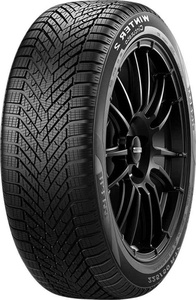
The Pirelli Cinturato Winter 2 earns a 1.9 (“Good”) rating for its impressive wet-weather grip and braking stability, making it one of the strongest performers in rain-soaked conditions. It delivers confident traction, short stopping distances, and safe handling, ensuring excellent control on wet roads and melting snow. However, when conditions dry out, the Cinturato Winter 2 reveals a less precise steering response and reduced agility compared to sportier rivals. Its premium price tag also positions it toward the higher end of the segment, though its all-weather security and refinement justify the investment for safety-minded drivers. Overall, it’s a refined, wet-grip specialist ideal for regions with frequent rain and mild winters.
11th place: Semperit / Speed-Grip 5
Quick Take
Semperit Speed-Grip 5

The Semperit Speed-Grip 5 receives a 2.0 (“Good”) rating for its balanced performance on dry and wet roads, making it a dependable all-round winter option for milder climates. It handles everyday driving with confidence, offering secure braking, predictable steering, and solid stability in both wet and dry conditions. However, on snow, the Speed-Grip 5 can’t fully match the traction and lateral control of the top competitors. It shows limited cornering grip and weaker side stability on icy surfaces, which slightly reduces its overall winter versatility. Despite these snow-specific shortcomings, the Semperit remains a well-balanced, safe, and comfortable tire, ideal for drivers who mostly encounter wet or cold but not extreme snowy conditions.
12th place: BFGoodrich / g-Force Winter 2
Quick Take
BFGoodrich g-Force Winter 2

The BFGoodrich G-Force Winter 2 earns a 2.1 (“Good”) rating, distinguishing itself with top-tier performance on snow. It delivers excellent traction, strong braking, and confident lateral grip on icy and snowy surfaces, making it particularly suitable for regions with regular or heavy winter conditions. However, the tire’s balance shifts noticeably once roads dry or turn wet. On wet asphalt, braking distances increase, and stability becomes less predictable. In dry conditions, steering feedback and precision fall behind the best in class, giving the tire a less composed feel at higher speeds. Despite these limitations, the G-Force Winter 2 remains a snow expert with dependable winter grip, best suited for drivers prioritizing safety and traction on snow-covered roads.
13th place: Vredestein / Wintrac Pro+
Quick Take
Vredestein Wintrac Pro+

The Vredestein Wintrac Pro+ receives a 2.6 (“Satisfactory”) rating, standing out with its strong snow performance and secure traction in cold, slippery conditions. It delivers reliable braking and confident cornering on snow, making it a capable choice for winter climates where frozen roads are common. However, the tire shows noticeably extended braking distances on dry pavement, reducing confidence during fast stops. Its premium pricing also places it close to higher-rated competitors that offer broader all-round ability. In summary, the Wintrac Pro+ is a solid snow performer but less convincing on dry roads and less attractive in terms of value for money.
14th place: Kleber / Krisalp HP3
Quick Take
Kleber Krisalp HP3

The Kleber Krisalp HP3 earns a 2.7 (“Satisfactory”) rating and proves itself as a true snow specialist. It impresses with the shortest braking distance and strongest traction on snow, delivering high levels of grip and stability when driving in deep winter conditions. Drivers in snowy regions will appreciate its dependable behavior and sure-footed handling on frozen surfaces. However, its performance drops notably on wet and dry roads, where longer braking distances and lower precision limit its versatility. While excellent in its core winter role, the Krisalp HP3 feels less confident in milder temperatures or rain-soaked conditions. Overall, the Kleber Krisalp HP3 is a dedicated snow expert—perfect for drivers in areas with frequent snow, but less ideal for mixed winter climates.
15th place: Ceat / WinterDrive
Quick Take
Ceat WinterDrive
The Ceat WinterDrive achieves a 2.8 (“Satisfactory”) rating and positions itself as a budget-friendly winter tire with a compelling cost-per-kilometer advantage. It performs solidly on snow and dry roads, offering dependable traction, predictable braking, and safe handling in typical winter conditions. Its main weakness appears on wet surfaces, where braking distances lengthen and grip levels fall behind the leading brands. While it delivers a safe and comfortable drive under most conditions, it lacks the refinement and precision of premium competitors in rain or slush. Overall, the Ceat WinterDrive is an economical choice for value-conscious drivers, providing respectable winter safety and durability—especially appealing for moderate winter climates with occasional snow.
16th place: Firestone / Winterhawk 4
Quick Take
Firestone Winterhawk 4

The Firestone Winterhawk 4 receives a 3.0 (“Satisfactory”) rating, delivering a solid but not outstanding performance across typical winter conditions. It impresses with high traction on snow and good grip in wet conditions, offering reliable stability and predictable braking when temperatures drop. However, the tire shows noticeable weaknesses in dry handling, where steering response feels somewhat vague and imprecise, and braking distances are extended compared to top competitors. These shortcomings reduce overall driving confidence on clear, dry roads. Overall, the Winterhawk 4 is a safe, dependable option for winter climates with frequent snow and rain, but less ideal for sporty drivers or those seeking maximum dry-road precision.
17th place: Toyo / Observe Winter Sport 1
Quick Take
Toyo Observe Winter Sport 1
The Toyo Observe Winter Sport 1 delivers competent performance on asphalt but fails to provide adequate safety in winter conditions. While it offers strong dry and wet braking, its snow and ice performance is critically poor, with dangerously long braking distances and significantly reduced traction. This imbalance makes it unsuitable for drivers who face genuine winter conditions, despite its acceptable wear and comfort levels.
18th place: Fulda / Kristall Control HP2
Quick Take
Fulda Kristall Control HP2

The Fulda Kristall Control HP2 secures a 3.2 (“Satisfactory”) rating, confirming its strengths as a competent snow performer with reliable winter traction. It delivers strong lateral grip and excellent traction on snow, providing safe and stable handling in slippery conditions. However, its performance drops on wet and dry roads, where braking distances are noticeably longer and grip less confidence-inspiring. These limitations make it less versatile outside pure winter environments. Overall, the Fulda Kristall Control HP2 is best suited for drivers in regions with frequent snow who prioritize cold-weather safety over sporty or all-around performance.
19th place: Linglong / Sport Master Winter
Quick Take
Linglong Sport Master Winter

The Linglong Sport Master Winter achieves a 3.3 (“Satisfactory”) rating, presenting itself as a budget-friendly winter tire with strengths in dry-road performance. It offers good grip and stable handling on dry surfaces, giving confident control in mild winter conditions and representing solid value for money. However, the tire’s traction on snow is limited, and it struggles with weaker wet grip and longer braking distances on rain-soaked roads. Additionally, a high rolling resistance impacts both fuel efficiency and comfort, making it less ideal for drivers seeking refinement or economy. Overall, the Linglong Sport Master Winter is a cost-effective choice for city or low-snow regions, where dry performance matters more than ultimate winter grip.
20th place: Falken / Eurowinter HS02 Pro
Quick Take
Falken Eurowinter HS02 Pro
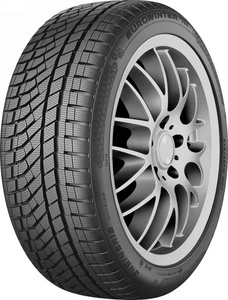
The Falken Eurowinter HS02 PRO earns a 3.4 (“Satisfactory”) rating, showing a decent performance on dry roads and overall balanced handling for everyday winter driving. Steering feel and stability remain acceptable, making it a comfortable and predictable tire under mild winter conditions. However, its weakness lies in snow performance, where grip and traction are noticeably below the best competitors, limiting confidence on icy or heavily snow-covered roads. The tire’s performance balance favors temperate climates more than harsh winter environments. Overall, the Falken HS02 PRO is a sensible, mid-range winter tire for drivers who encounter mostly cold and wet roads, but less snow and ice.